The temperature is starting to dip, but it’s time to start planning your spring garden. Late fall is the ideal time to plant spring bulbs, like Tulips, Daffodils, and Hyacinths. The approaching Thanksgiving date has always been my deadline to get bulbs in the ground. Planting them now gives them time to overwinter, get established, and sprout healthily in the spring. And if you’re like me, you might even forget about some of the bulbs you’ve planted, and they end up as an exciting surprise in the spring!
Spring bulbs are a great solution for early color in your garden, with a wide variety of species and bloom colors available. The earliest bloomers benefit emerging pollinators in the spring. Bulbs can even be planted in your lawn! I would recommend spending a little bit of time in your yard or garden and decide where you can tuck in some bulbs.
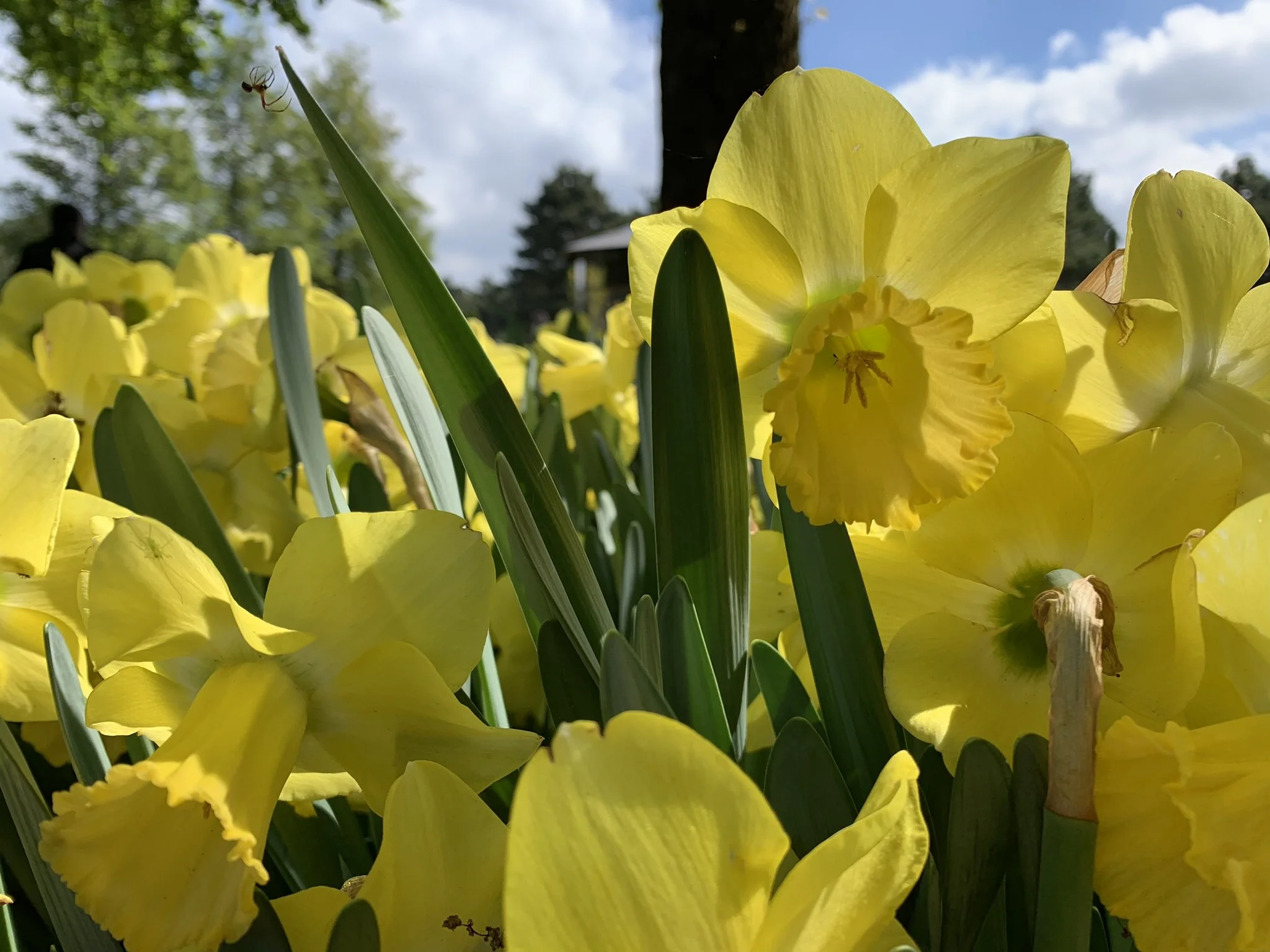
For a significant impact, I would recommend planting them in large groups. Sweeps of single colors or single species will be eye-catching. I like to get creative with the bulb placement, and sometimes I’ll think of it as large scale color-by-number.
There are endless color combinations to try: complimentary colors, cool colors, warm colors. Of course, there can be other factors to consider, like existing plants’ foliage or bloom color. However, these spring bulbs’ blooms are going to be the star of the show, and the existing plants will act as a backdrop. Selecting bloom colors isn’t a science; just choose the ones you like the most!
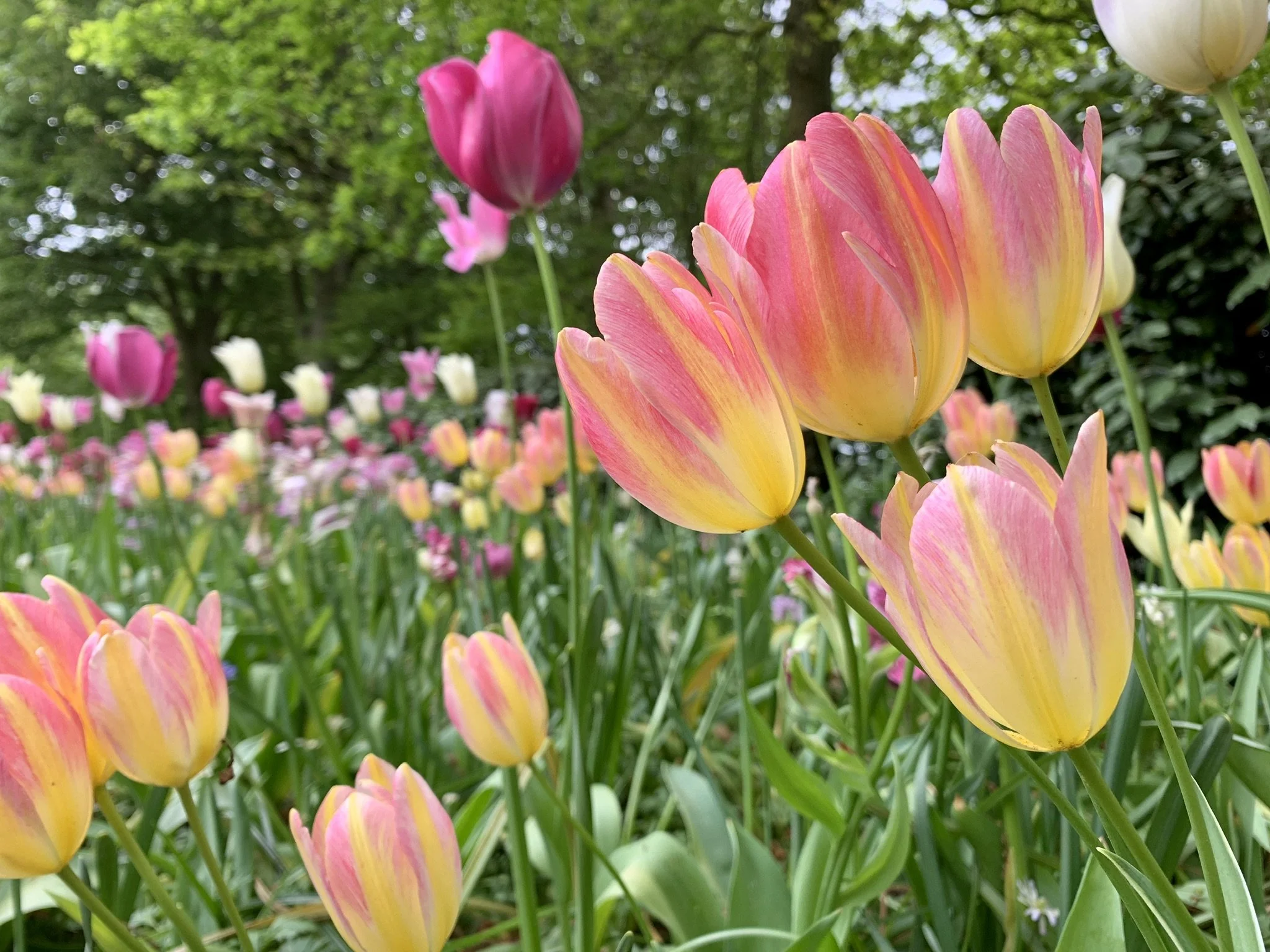


Keep in mind that different species have varying heights. For example, Daffodil blooms can reach up to 18 inches tall, while Hyacinth blooms reach half that height. When planning where to plant your bulbs, make sure you layer them by height.
You can certainly plant your bulbs in open bed space, however, an alternative option is incorporating them into other groundcover plants. Daffodils in Dianthus, Tulips in Mondo, and my personal favorite, crocus in turf grass. Layering spring bulbs into your existing plants multiplies your overall planting space, and can add another season of color to your existing landscape.
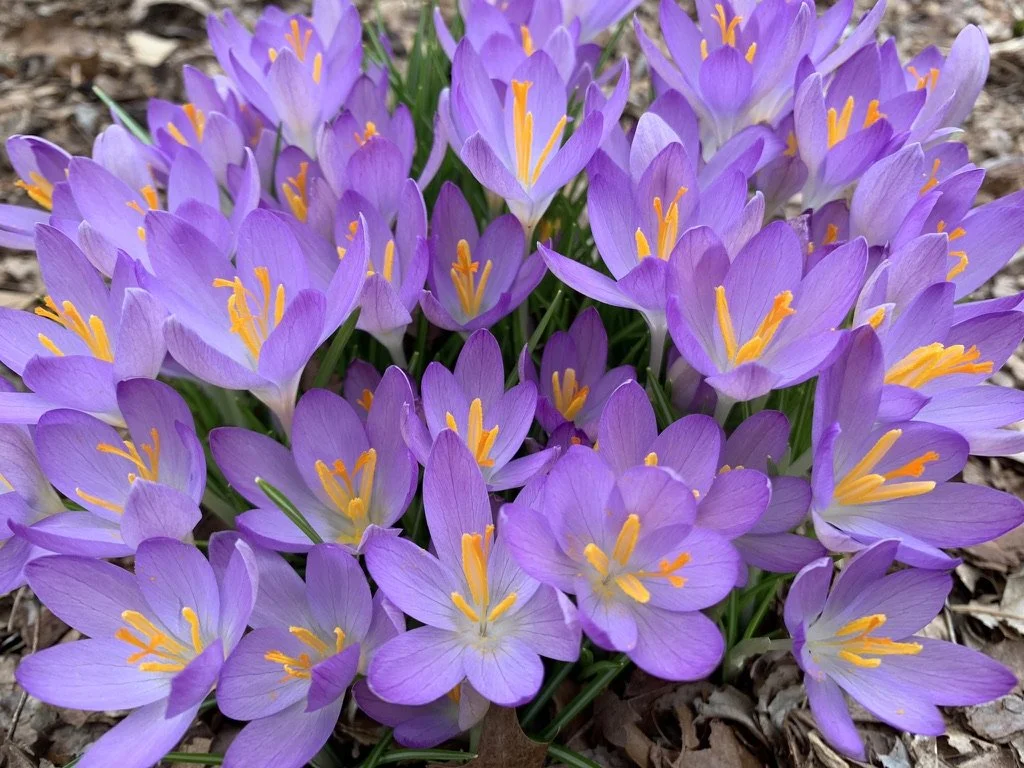
Before planting, check the recommended planting depth for the bulb. Every species varies, and you don’t want to plant them too deep or too shallow.
After your spring bulbs bloom, resist the urge to cut them back. The leaves should photosynthesize as long as possible to strengthen the bulbs, and then cut them back once all the leaves turn brown.
Need some input to select bulbs for your garden? I can help! Fill out the form below with details about your project and I’ll reply promptly.